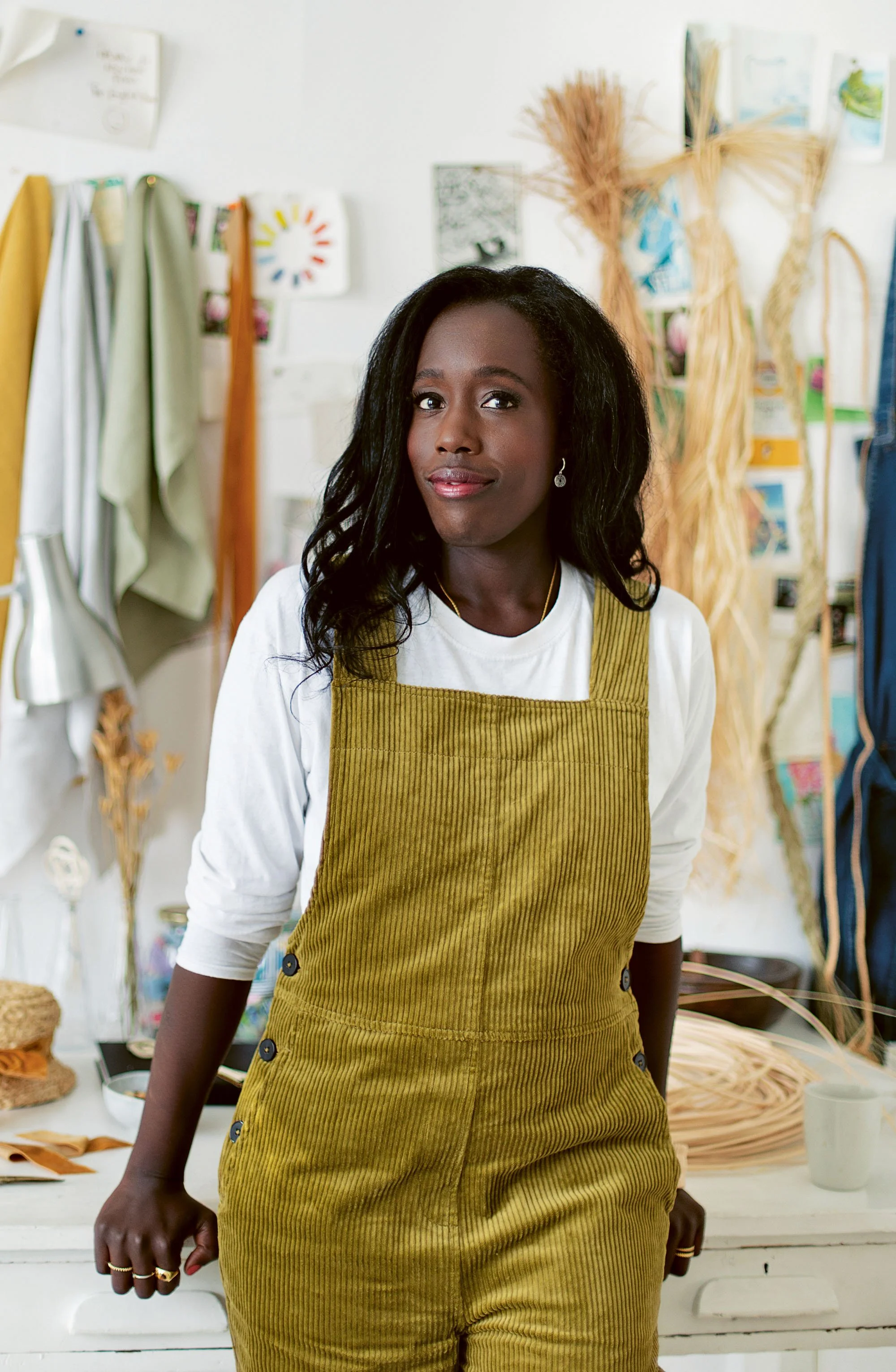
LA Basketry | Tabara N’Diaye
The Makers Series / Profile
La Basketry The brand takes a “slow approach with small batches, minimal waste, and long lead times.” 95% of the artisans they work with are women.
By curating high-quality, locally-made products, Magda Made seeks to empower both artisans and customers to make a lasting impact.
Photography credit: Tabara N’Diaye. All rights reserved
Can you tell us about yourself, Tabara. What places have shaped you?
I’m Tabara N’Diaye, the founder of La Basketry and at my core I’m someone who has always been fascinated by craft and culture. I was born and raised in Paris to Senegalese parents, so from the beginning my identity was shaped by movement between places - between France and Senegal.
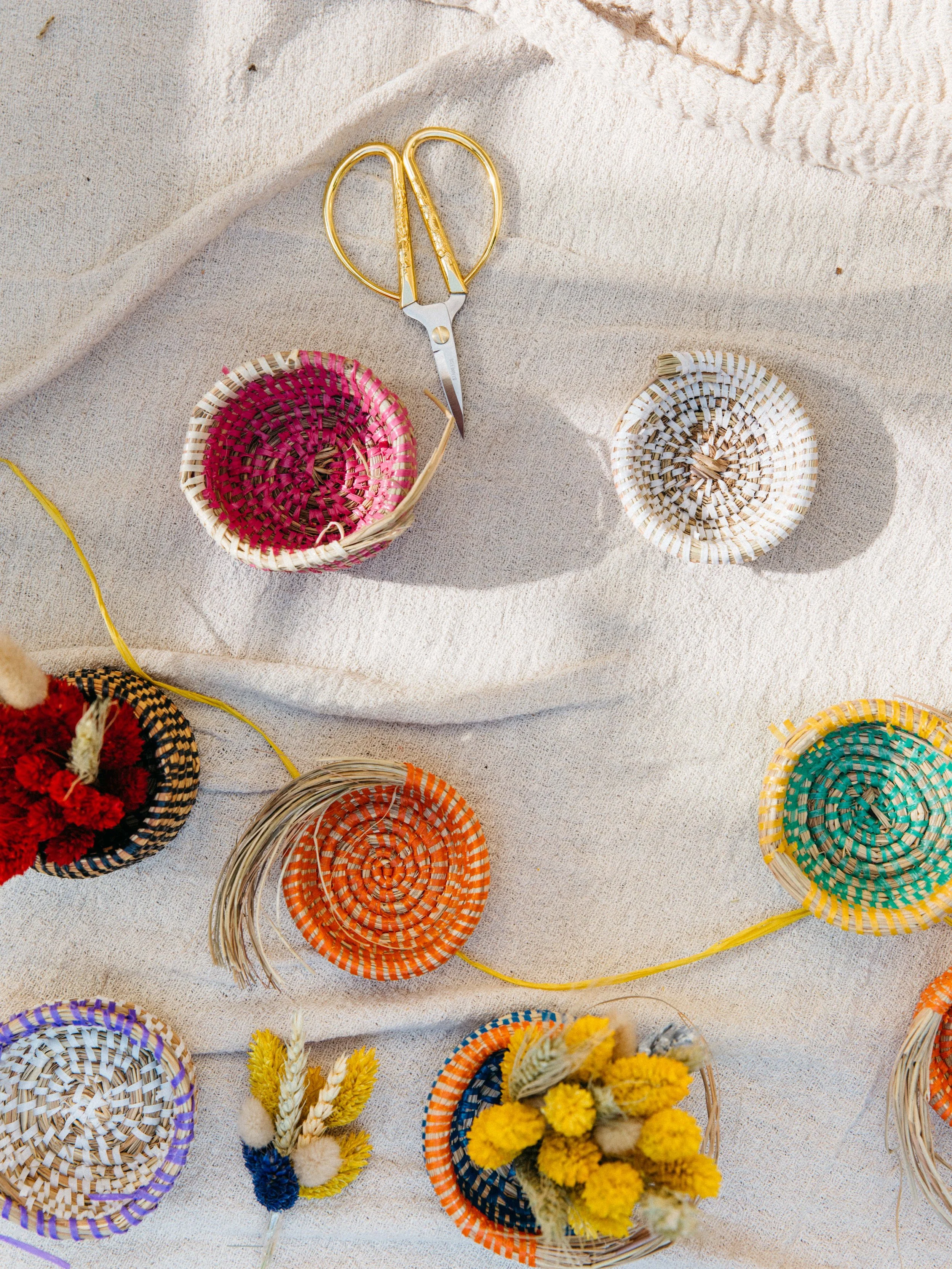
Some of my earliest memories are of visiting family in Thies, a region known for its coiled baskets lining the roads and markets. The colours, the shapes - I was always captivated by them and saw them as pieces of art. That place taught me what craftsmanship really means.
And if we are talking about places, I have to mention London, the city I’ve called home for 17 years now. Moving here expanded my sense of possibility. London’s creative energy and buzz were key to starting my business and turning a lifelong admiration for Senegalese craft into La Basketry.
What is the story behind La Basketry? What sparked the idea?
La Basketry began with my desire to honour a craft that has been passed down from generation to generation in rural Senegalese villages. I’d always admired the baskets I saw growing up, but I also realised how little visibility this craftsmanship had beyond local markets. That’s what inspired me to create a brand that could spotlight Senegalese weaving and offer a space where tradition and contemporary design could meet.
It started with a small collection of 6 products, but from the beginning it was about much more than selling baskets - it was about sharing the stories, the skills and the craftsmanship behind them.
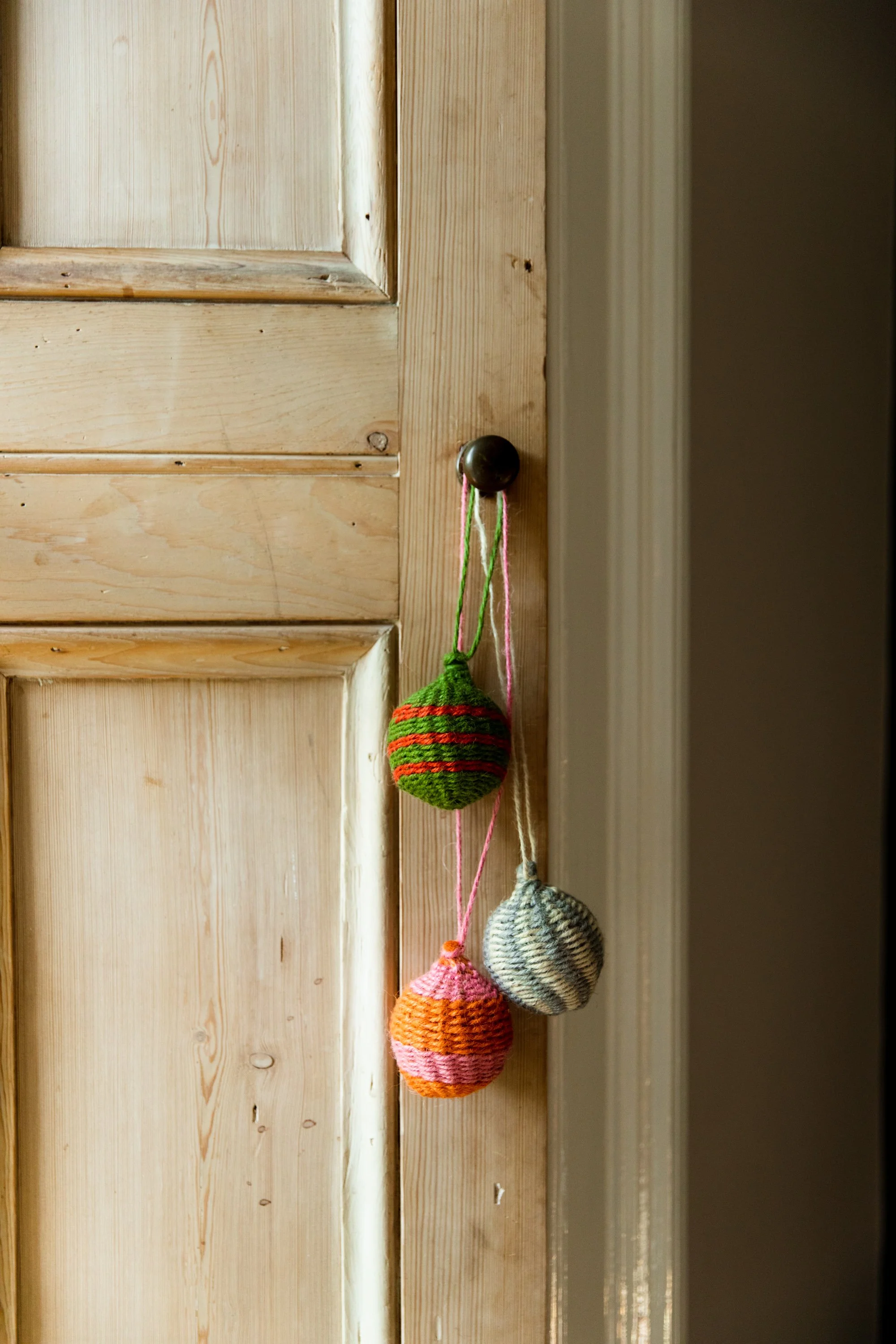
Along the way, as someone who has always been quite crafty, I learned how to weave myself. It deepened my appreciation for the craft and helped me develop new products which I slowly began incorporating into the business through DIY kits, bespoke pieces, creative workshops and collaborations.
A big part of my mission has been to bring the sense of community that’s so central to Senegalese craft into the experiences I create. And that evolution has really shaped what the business is today.
What inspires you in the art of basket weaving? How has your practice and work evolved over time?
The calm, meditative movement of your hands, the way simple materials slowly take form and the deep sense of connection it creates as it’s a craft that holds generations of knowledge.
My practice has evolved as much internally as it has externally. Weaving started for me as a way to connect with my Senegalese roots but over time it has become the way for me to escape from everyday life.That personal discovery has influenced how I approach design, product development and even motherhood. It has become a way to cultivate patience, joy and presence in every part of my work and life.
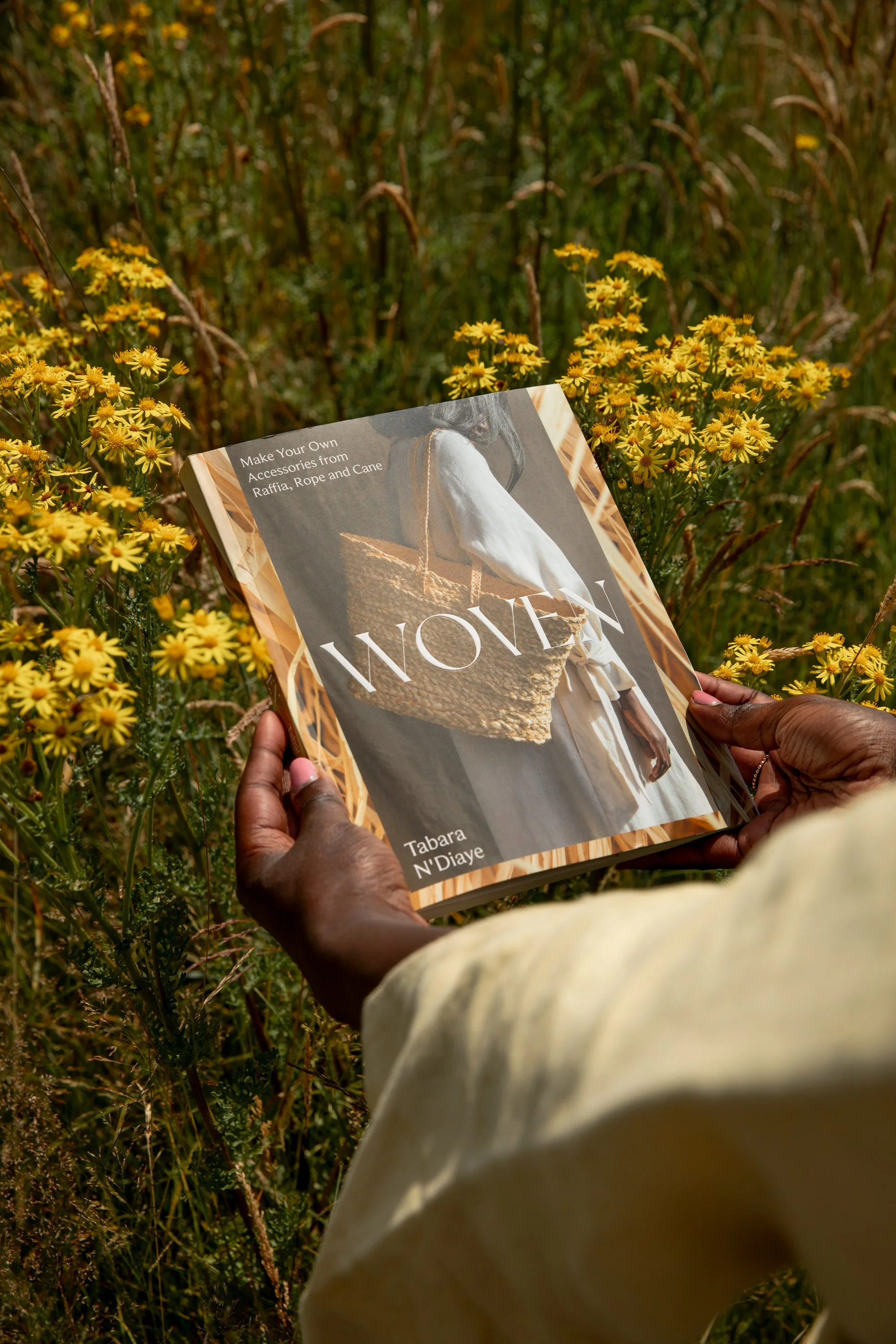
Tell us about your books, Baskets and Woven.
Both books grew out of my love for the craft and my desire to share it with a wider audience. They are both craft books, but also beautiful lifestyle books, filled with gorgeous imagery and illustrations.
Baskets is about telling the story of basket weaving and giving readers an appreciation for the craft’s diversity and beauty, with projects for the home that showcase different techniques and styles. Woven, on the other hand, is more fashion-led, focusing on wearable accessories like bags and jewellery, encouraging readers to explore weaving in a more personal, playful way.
As an author, what I hope most is that readers come away inspired, not just to make, but to appreciate the skill, behind every woven piece they make or already own.
At Globally Rooted, we celebrate creative and cultural heritage around the world. How do traditions and heritage find expression in your work?
Traditions and heritage are at the heart of everything I do. In my work, I strive to honour that heritage by collaborating directly with artisans and preserving traditional methods.
At the same time, I bring a contemporary lens to the work - through colour, design and playful experimentation - so that tradition can live and evolve in new contexts.
Are there tools, materials, or rituals that are essential to your process?
Like in many crafts, using high-quality materials is essential - they can make or break your experience with the craft.
But the most important tool is really my hands, as weaving is deeply tactile and so much of the process relies on feeling the textures, understanding how the materials respond and letting that guide you.
Working with your hands also requires care and patience - it can be physically demanding, so taking breaks and staying attuned to your body is always part of the ritual - tea breaks are definitely mandatory!
What does beauty mean to you in the context of your work? [This could be aesthetic, functional, emotional, however you define it]
I think beauty, to me, is reflected through aesthetics, but it’s also about seeing the care, skill and intricacies. Those details bring depth and layers to a piece - they don’t have to be perfect, but they create a richness, a kind of texture, much like an art piece you admire.
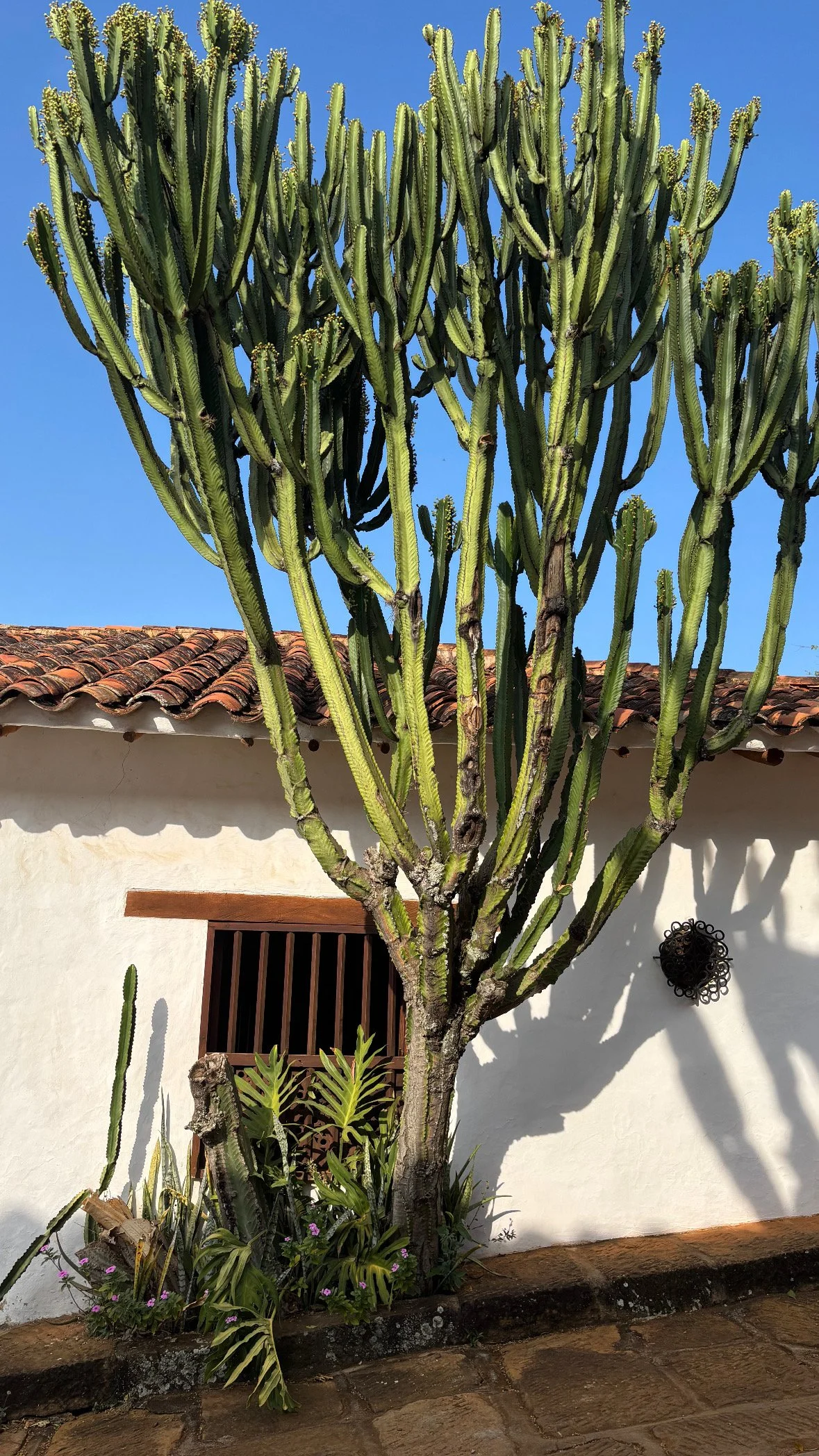

Barichara, Colombia
Barichara, Colombia

Photo Credit: Cristina de la Concha
At Globally Rooted, we celebrate creative and cultural heritage around the world. How do traditions and heritage find expression in your work? Looking ahead, what do you hope La Basketry and your work with basket weaving and other crafts will inspire in people about carrying heritage and tradition into the future?
I hope La Basketry and my work with basket weaving inspire people to see heritage and tradition not as something fixed in the past, but as a living, evolving practice. I want people to appreciate the stories, skills and care behind each piece, and to understand how these traditions can be adapted, celebrated and integrated into contemporary life.
More than anything, I hope to spark curiosity and creativity - to show that carrying heritage forward can be playful, colourful and personal. Whether through making, collecting, or simply appreciating the craft, I want people to feel a connection to these traditions and see how they can continue to thrive in new and meaningful ways.
What are you currently dreaming about or working toward in relation to your work?
Right now, I’m exploring ways to create more hands-on, real-life experiences that bring people closer to craft, combining creativity, travel and discovery in an immersive way… though I can’t share too much about it just yet.
As a new mom, I’m also deeply drawn to working with toddlers and children, thinking about how to nurture curiosity and a connection to making from a young age, before those skills and joys are sadly lost. I’m also planning to focus more time on La Petite Senna, the range of crochet dolls with different skin tones and handwoven basket cots I launched a couple of years ago - a project very close to my heart and something I wish I would have had growing up.
Anything else you’d like to share with our readers?
There’s a growing trend right now toward analogue experiences and I’m really excited to see how it develops. What I’d like to remind people is to focus less on the finished product and more on the experience itself - on using your hands, being tactile, embracing mindfulness and finding joy in the process.