Pastırma Yazı: Indian Summer in Istanbul
Words and Photos: Nilufer Agcakisla
“In the depth of winter, I finally learned that within me there lay an invincible summer.”
- Albert Camus
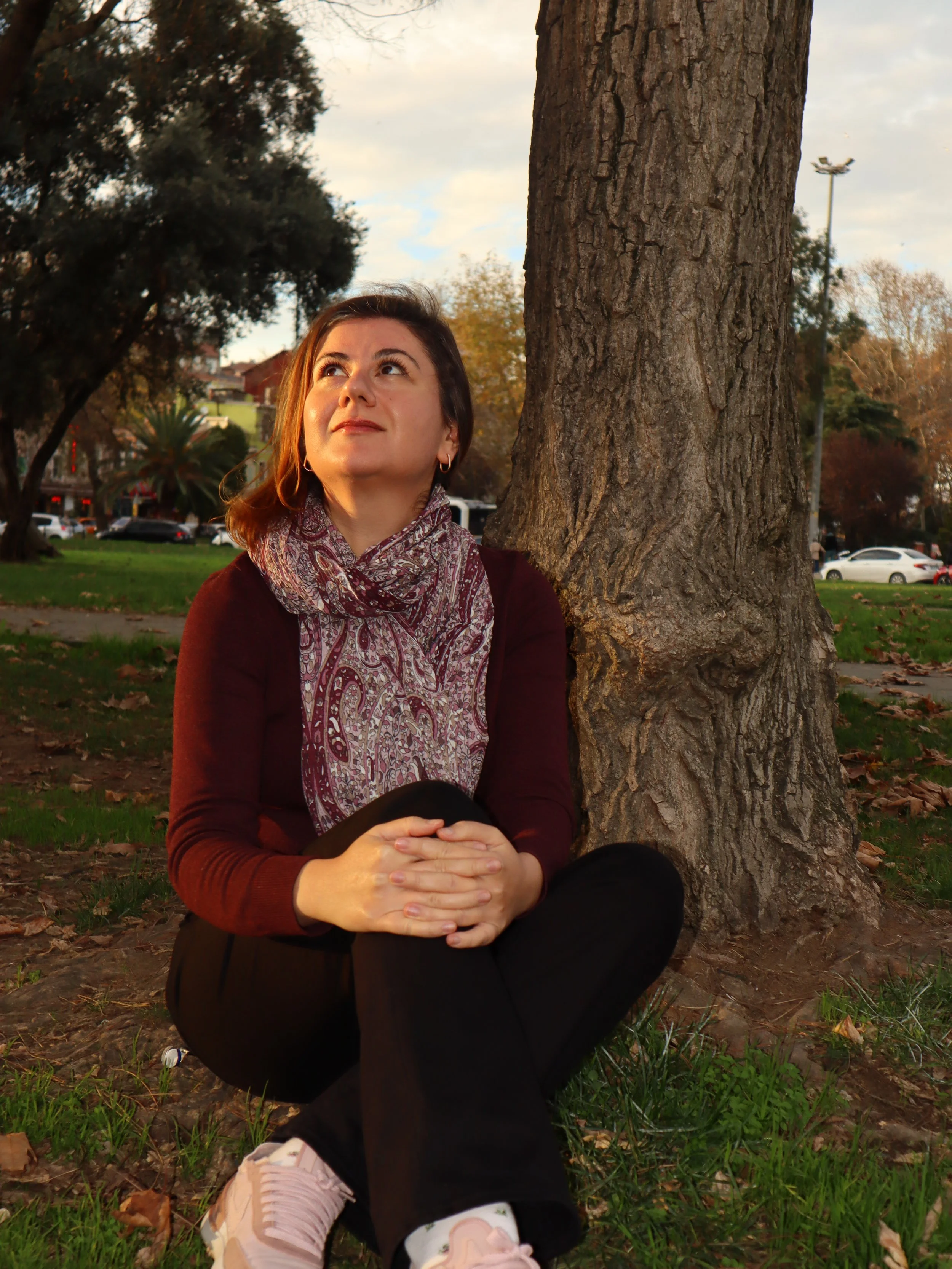
As I ponder the notion of the invincible summer within, I sense that even in life’s bleakest passages, an inner sun of hope and joy continues to shine. In Istanbul, this feeling finds a peculiar echo in “pastırma yazı” — a brief false summer that arrives in late October and lingers through November, when no one expects it. The city glows again after the first rains of autumn, the sun reappears as though she had forgotten to say goodbye. On those afternoons, light turns patient and honeyed; seagulls hang lower above the Bosphorus; and laundry clinging to balconies dries in a breeze that smells faintly of salt and the briny scent of the Marmara Sea. This pop-up season feels like a momentary glimpse, yet it stirs tender memories, serving as a reminder of life insisting on continuity.
Some linguists claim it was never pastırma yazı at all, but pastırma ayazı: not the summer of cured meat, but the frost that follows it. I’ve always liked that small confusion, the way warmth and cold coexist in a single phrase. I guess that’s what my hometown teaches best: how to live between contradictions: continents, seasons, layers of history, and crossroads. Maybe the words changed because people wanted to hold on to warm weather a little longer. Or maybe the frost itself carries its own kind of cozyness, the kind that preserves.
In recent years, I’ve found myself returning in thought to my roots, to the family history that shaped me, to the lives they lived in the old days of Istanbul, the traditions they held close, and the new ways they built to carry themselves forward. Now residing on the Asian side of the city, I often find myself crossing to the European side to wander the streets of Suriçi, the old heart of the city where I grew up, especially during these extended warm days in pursuit of memories, both remembered and forgotten. As I walk past the tightly packed apartments, the mist of çay rises like morning prayers from the narrow doorways of teahouses. A few corners away, the air turns sweet and thick with salep, which blooms only in the chill of late autumn and winter, its creamy texture dusted with a pinch of cinnamon as a gentle solace against the cold. Elsewhere, the bitter aroma of Turkish coffee lingers in tiny cups, where readers peer into the dark grounds, interpreting fortunes and whispers of what might come. All these hot drinks serve as invitations for connection; each one a vessel of muhabbet, that untranslatable word for a deep conversation infused with affection, curiosity, and cherishing. To share a cup here is to share time itself, to slow the city’s pulse for a moment before it resumes its rush.
Within my realm, pastırma yazı always smelled like my late aunt’s apartment, tucked away in a corner of Fatih, the mainstay district of Istanbul’s old town. Her small kitchen was a world of its own, humid, fragrant, alive with the steady simmer of dolma, along with garlic and spices that clung to every surface. She moved through her routine with quiet assurance, lighting the stove, stirring the pots, and whispering prayers between tasks, as if the act of preparing and sharing food could hold the world steady. Guests, family, and neighbors flowed in and out, while the generosity she embodied remained constant, rooted in attention, repetition, and devotion. Sometimes she would pack food into plastic yogurt containers to hand out to her children, to us, and to my father, her favorite sibling and a regular recipient of her care. I recognized her way of being in the earliest years of my life: how she nurtured others, creating a space of comfort and belonging through the simplest acts of daily life. She had a mischievous streak as well, always slipping in a joke or a funny story that made the kitchen feel lighter, even on the heaviest days. Despite her giving, compassionate nature, my aunt could not always receive the same generosity from life, yet she embraced life’s unfolding realities with grace, almost living as an unpretentious dervish through my lens. As I grew older, I sometimes felt resentful that she had deserved so much more from life, perhaps I have yet to mature in the ways of wisdom, to learn the quiet surrender of faith that she embodied so effortlessly.
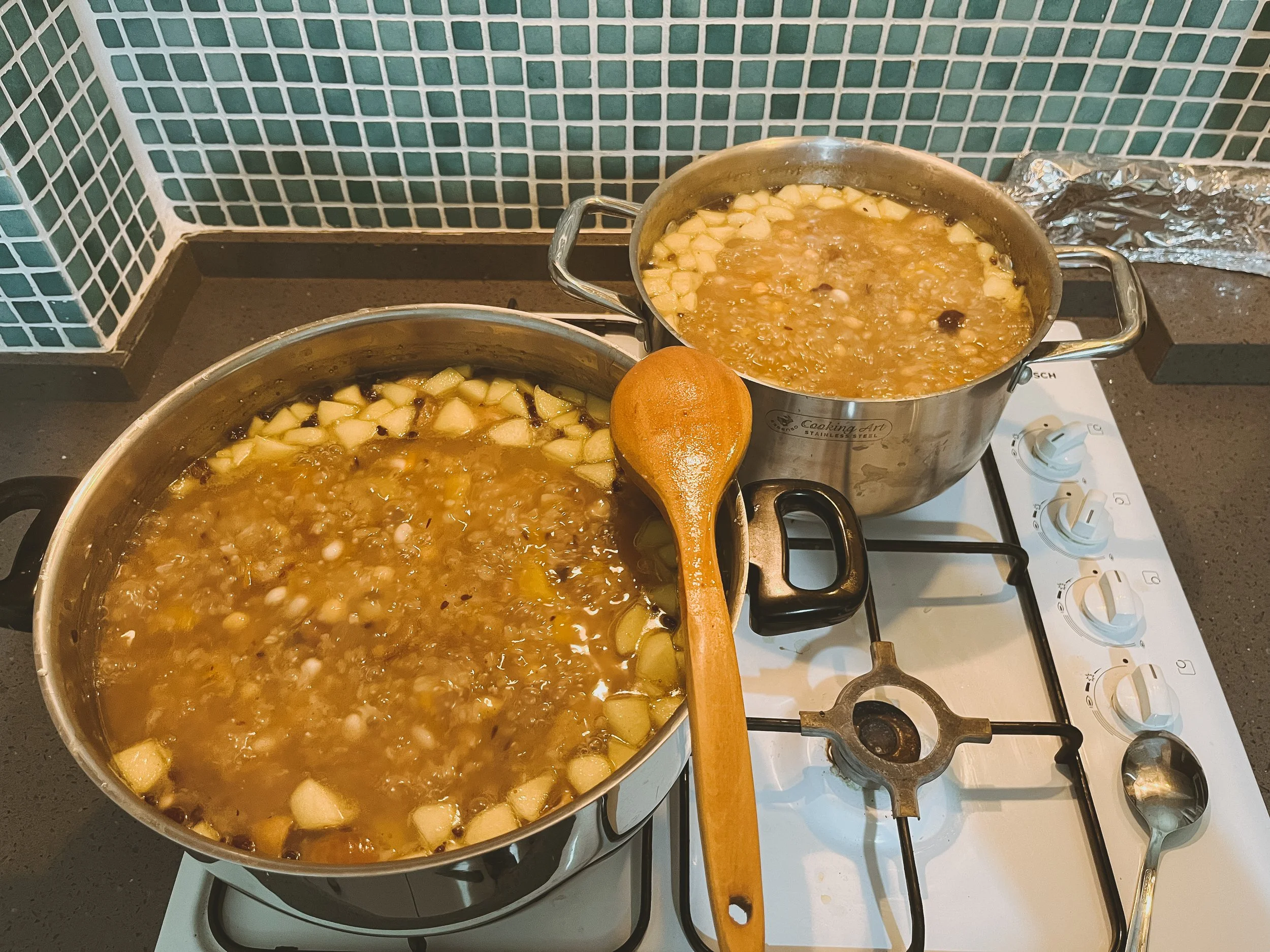
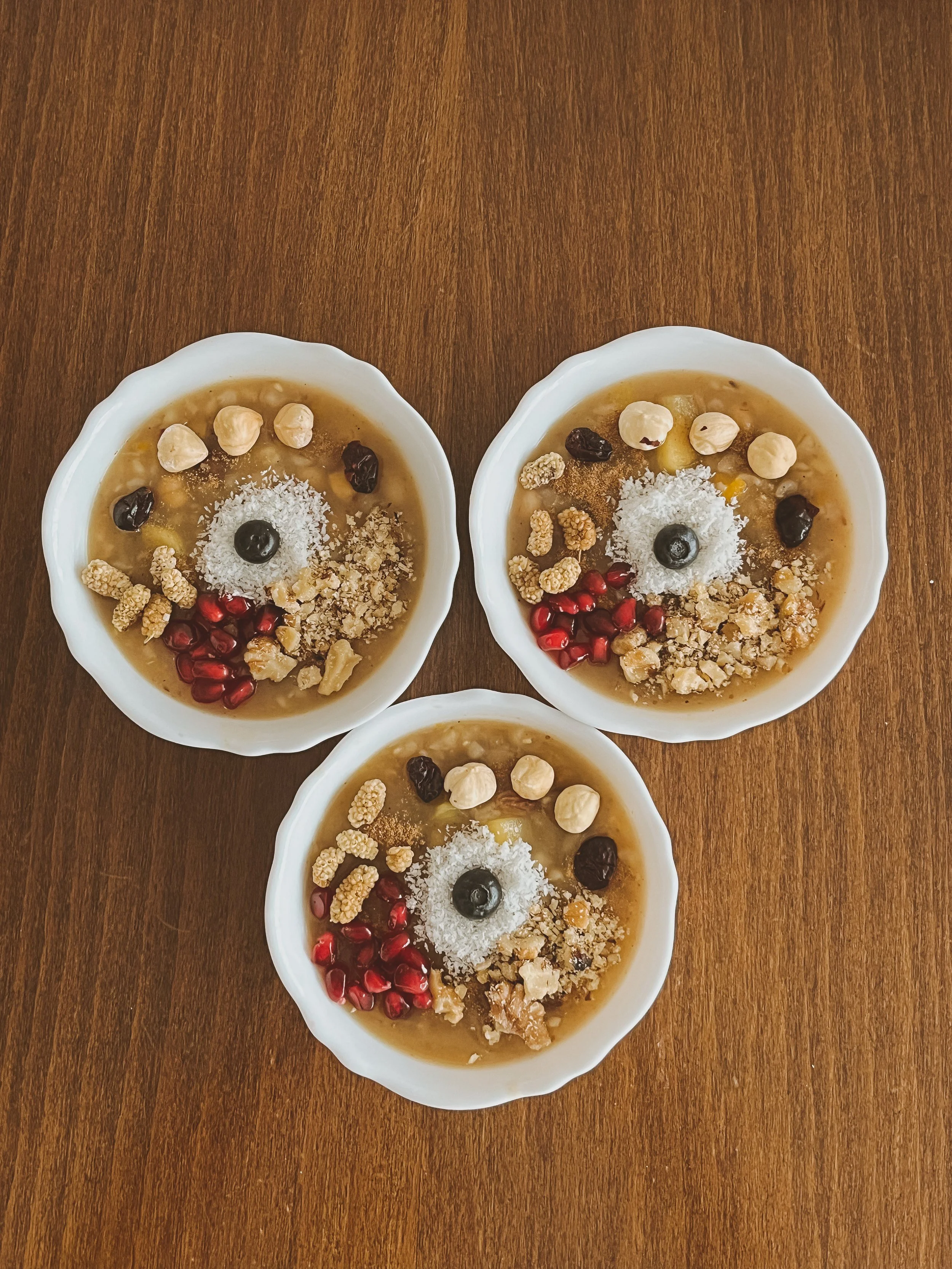
Although I never had the chance to learn my aunt’s acclaimed recipe for ashura, I found myself intuitively recreating it after my father passed away during a hot summer, honoring the souls of both of them by distributing bowls of ashura to relatives, neighbors, and even strangers. I marvel at how the time for making ashura shifts around ten days earlier each year, a food that travels through the seasons, carrying memory and ritual across time and weather, just as their spirit continues to travel through me.
When I recall those years of my childhood, I remember how pastırma yazı marked the last chance for a picnic on those few sunlit, forgiving days before winter settled in. We would leave the packed streets of our neighborhood, commuting in crowded cars, venturing into the wider districts of Istanbul in search of quiet groves where the sky promised no rain. The sofra, the picnic spread laid carefully on a table mat on the grass, was a stage for the familiar main cast: köfte, golden and sizzling meatballs, börek, crisp and buttery layers of filo pastry, and dolma snug in their grape leaves, each dish born of hours of preparation. The cassette tape radio hummed softly in the background as part of the supporting cast, sometimes playing music, sometimes broadcasting football.
The majority of the work was done by women, who washed, chopped, kneaded, rolled, stuffed, packed containers, checked the weather, and kept track of every utensil and blanket. Men contributed in smaller, yet highly visible ways — planning the route, driving, and cooking on the mangal, the Turkish barbeque. Clearly, the heart of the day, its flow and sustenance, depended on the women’s work. They carried it with patience and devotion, shaping the experience for everyone else. As a child, I reveled in the community, the food, and the laughter, yet at the back of my mind, I was quietly aware of all the labor they carried, their effort threaded through every step, every plate, every gesture. Looking back, I notice that those picnics were essentially a way of paying tribute to the brief, cheerful interlude between autumn and winter, in the form of an urban middle class ritual attuned to the fleeting days of golden light. Pastırma yazı framed them, lending each moment a sense of borrowed summer.
Now, years later, pastırma yazı feels less like a fleeting warm spell and more like a thread stretching across time; connecting me to those I have lost, to the daily practices and to a patient labor that shaped my childhood, and ultimately to my hometown, Istanbul’s Suriçi. When I prepare a meal in my own kitchen, I sense the same gentle insistence of warmth, of care, of life unfolding in small, deliberate acts. The scents of spices, the hum of conversation, the very long manual folding of grape leaves; all carrying memory, faith, and generosity across time. Like ashura sliding quietly through the lunar calendar, these moments drift across the seasons, returning to remind me that the love, labor, connection, and joy of those who came before me endure, woven into the rhythm of changing skies and the pulse of my own heart. Perhaps that is what pastırma yazı truly is: not the summer, not the frost, but the in-between; a fragile, luminous space where one feels most alive.
Nilufer Agcakisla was born and raised in Istanbul, has wandered and lived in many places, yet always finds herself rooted in and drawn back to the city she calls home, a true Istanbulite. She works at the intersection of creativity, learning, coaching, and expression; and designs experiences that cultivate dialogue, connection, and reflection. In her recent master’s studies in Sustainable Tourism, she explores cultural heritage, urban development, and authenticity, tracing the layers of memory, customs, and local lifestyles that give the city its texture. Deeply attuned to Istanbul’s five senses and seasonal moods, she draws inspiration from the ordinary gestures and rituals that shape the lives of its residents, seeking to reveal how space, time, and human experience intertwine.